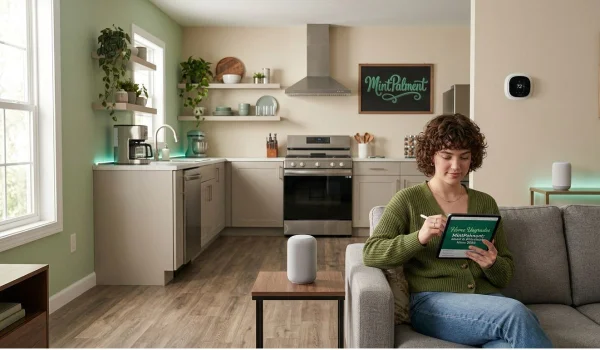
The best home upgrades improve how your house looks, feels, and functions without creating unnecessary expenses. A fresh coat of paint, better kitchen storage, improved lighting, or stronger insulation can make a noticeable difference. Larger improvements, including bathroom renovations and energy-efficient heating systems, may also improve long-term comfort and property value.
Home upgrades MintPalment focuses on practical home improvement ideas that balance affordability, appearance, functionality, and lasting value. The goal is to invest in changes that solve real problems rather than spend money on upgrades your home does not need.
For most homeowners, the smartest starting point is simple: fix safety and maintenance issues, improve the rooms used most often, and choose upgrades that fit the household budget.
What Are Home Upgrades MintPalment?
Home upgrades MintPalment refers to practical improvements that make a home more comfortable, attractive, organized, and efficient. The phrase is associated with MintPalment home improvement content rather than a formal building certification or established construction standard.
These improvements can be as simple as replacing outdated cabinet handles or as extensive as installing a new heating and cooling system.
Understanding the Home Upgrading Approach
A practical home upgrading approach starts with identifying what needs improvement.
For example, a kitchen with solid cabinets but poor lighting may need under-cabinet LEDs rather than a complete remodel. A bedroom that becomes uncomfortable during summer may benefit more from insulation and window shading than expensive decoration.
The main priorities are:
- Functionality: Make everyday activities easier.
- Comfort: Improve lighting, temperature, ventilation, and convenience.
- Affordability: Choose improvements that fit available finances.
- Durability: Select materials that withstand regular use.
- Property value: Consider how upgrades may influence future buyers.
Home Upgrades vs. Home Renovations vs. Home Repairs
These terms are related but describe different types of work.
| Type | Meaning | Example |
| Home upgrade | Improving an existing feature | Installing LED lighting |
| Home renovation | Renewing or restoring a space | Updating an outdated bathroom |
| Home repair | Fixing damaged or faulty components | Repairing a leaking pipe |
| Home remodel | Changing a room’s layout or structure | Reconfiguring a kitchen |
A project can involve more than one category. Replacing damaged bathroom flooring, for example, is both a repair and an upgrade.
How Smart Improvements Increase Comfort, Functionality, and Property Value
Effective upgrades address problems homeowners experience regularly.
Improved kitchen lighting makes food preparation safer. Better storage reduces clutter. Insulation helps stabilize indoor temperatures. A well-maintained entrance creates a stronger first impression.
These benefits do not always translate into an equivalent increase in resale value. Some improvements provide their greatest return through convenience, lower operating costs, or years of personal enjoyment.
Where Should You Start When Upgrading Your Home?
Start by checking your home’s condition rather than choosing finishes or furniture.
A beautiful kitchen will offer limited value if a nearby water leak continues damaging the floor. Structural defects, electrical hazards, and moisture problems should generally take priority over decorative improvements.
Assess Your Home’s Current Condition
Walk through each room and inspect visible surfaces, fixtures, and essential systems.
Look for:
- Water stains, damp walls, and peeling paint
- Cracked tiles or uneven flooring
- Poor ventilation and persistent odors
- Outdated or damaged lighting
- Loose handles, hinges, and fixtures
- Windows and doors that allow drafts
- Inadequate storage and awkward furniture layouts
Photograph problem areas and record their locations. This creates a useful reference when requesting estimates or planning work.
Identify Repairs, Safety Issues, and Outdated Features
Separate projects into three categories:
Urgent: Exposed wiring, active leaks, damaged stairs, serious roof defects, or suspected structural problems.
Important: Inefficient heating and cooling, deteriorating flooring, inadequate ventilation, or frequently failing fixtures.
Optional: Decorative lighting, feature walls, furniture changes, and cosmetic hardware.
Address urgent problems before allocating money to optional improvements.
Prioritize Upgrades Based on Your Budget and Lifestyle
The right upgrade depends on how you use your home.
A family with young children may prioritize durable flooring and secure storage. Someone working remotely may benefit from a quieter office, improved task lighting, and reliable electrical outlets.
Consider three questions before approving a project:
- What existing problem will this improvement solve?
- How often will someone benefit from it?
- Is there a less expensive solution that delivers a similar result?
Create a Home Improvement Priority Checklist
A simple checklist prevents important work from being overlooked.
| Priority | Home condition | Recommended action |
| High | Water leaks or unsafe wiring | Arrange professional repairs |
| High | Moisture or mold problems | Identify and correct the source |
| Medium | Poor lighting | Improve task and general lighting |
| Medium | High heating or cooling bills | Check insulation and air leakage |
| Medium | Inadequate storage | Add practical storage solutions |
| Low | Outdated decorative finishes | Repaint or update accessories |
Review the checklist after each completed project.
When Is a Professional Home Inspection or Energy Audit Worth It?
A professional inspection is valuable when purchasing an older house, noticing structural movement, or planning major changes.
A home energy assessment is particularly helpful when rooms have uneven temperatures or utility bills seem unusually high.
An assessor may examine insulation, heating equipment, ductwork, and air leakage. Some assessments include a blower-door test or infrared imaging.
The U.S. Department of Energy recommends energy evaluations to identify improvements that can reduce wasted energy.
Best Home Upgrades MintPalment to Consider in 2026
The most useful home improvements are not necessarily the newest or most expensive. They are the ones that solve persistent problems and remain useful over time.
Affordable Cosmetic Upgrades With a Big Visual Impact
Painting walls, replacing worn hardware, updating light fixtures, and refreshing window treatments can improve a room without changing its structure.
Focus on highly visible surfaces first.
For example, repainting an entryway and replacing a damaged ceiling light may create a stronger improvement than purchasing several decorative accessories.
Functional Upgrades That Make Everyday Life Easier
Functional improvements reduce friction during everyday activities.
Consider pull-out kitchen organizers, additional electrical outlets installed by a qualified electrician, adjustable shelving, improved laundry storage, and brighter task lighting.
These changes are especially useful in smaller homes where wasted space affects daily comfort.
Long-Term Improvements for Comfort and Efficiency
Insulation, ventilation, quality windows, efficient equipment, and durable flooring often provide benefits for years.
Choose improvements based on the home’s actual condition. Replacing functional windows solely to save energy may not be cost-effective when inexpensive weatherstripping could address the main problem.
Which Home Upgrades Deliver the Best Results for Your Goals?
| Your primary goal | Improvements to consider |
| Modern appearance | Paint, lighting, hardware, coordinated finishes |
| Better organization | Shelving, drawer organizers, multifunctional furniture |
| Lower utility costs | Air sealing, insulation, efficient equipment |
| Greater comfort | Ventilation, shading, temperature control |
| Increased resale appeal | Maintenance, kitchen updates, curb appeal |
| Safer living | Electrical repairs, alarms, slip-resistant surfaces |
Choose the goal before choosing the project.
Budget-Friendly Home Upgrades That Make Your House Look Expensive
A polished interior depends heavily on consistent finishes, appropriate proportions, and good lighting. Expensive materials are not always necessary.
Refresh Interior Walls With Modern Paint Colors
Painting is one of the most accessible ways to change a room’s appearance.
Warm whites, soft beige, muted greens, and balanced gray tones can create a calm foundation. Darker colors work well when used intentionally and supported by suitable lighting.
Choose paint finishes according to the room:
- Flat or matte for low-traffic walls with minor imperfections
- Eggshell for many living spaces and bedrooms
- Satin for areas requiring more frequent cleaning
- Appropriate moisture-resistant products for bathrooms, with adequate ventilation
Always test color samples under natural and artificial light before painting the entire room.
Upgrade Cabinet Handles, Door Knobs, and Hardware
Small hardware changes can make older cabinets and doors appear more consistent with modern interiors.
Brushed nickel, matte black, polished chrome, and warm metallic finishes work with different design styles.
Measure existing screw-hole spacing before buying replacement cabinet pulls. Matching the original dimensions avoids unnecessary drilling and repairs.
Install Modern LED Lighting and Decorative Fixtures
Lighting influences both appearance and usability.
Combine three lighting types:
- Ambient lighting: General illumination throughout a room
- Task lighting: Focused light for cooking, reading, or working
- Accent lighting: Decorative illumination for artwork or architectural details
Use warm light in relaxing spaces and appropriate neutral task lighting where visibility matters.
Check fixture compatibility, dimmer requirements, and electrical safety before installation.
Update Curtains, Window Treatments, and Blinds
Window treatments influence privacy, daylight, insulation, and interior proportions.
Floor-length curtains can create a more finished appearance when sized correctly. Roller blinds suit minimalist interiors, while cellular shades may improve comfort near windows.
Use suitable mounting hardware and avoid creating hazardous dangling cords around children.
Refresh Old Furniture Instead of Replacing It
Good-quality furniture may only need refinishing, reupholstering, or new hardware.
Wooden tables can sometimes be sanded and refinished. Solid chairs may benefit from new seat fabric. Existing shelves can be painted to coordinate with the room.
Inspect furniture construction before investing in restoration. Severe structural damage or poor-quality materials may make replacement more practical.
Add Mirrors, Indoor Plants, and Affordable Wall Decor
Mirrors can reflect daylight and make a narrow room feel more open.
Indoor plants introduce natural shapes and color. Choose varieties that suit available light, maintenance time, and household safety needs, including pet considerations.
Use wall art selectively. A few appropriately sized pieces often create a cleaner design than many unrelated decorations.
Create a Cohesive Interior With Colors, Textures, and Finishes
Consistency gives affordable spaces a more intentional appearance.
Choose a restrained palette and repeat selected materials or finishes across the room.
For instance, natural wood, warm white walls, and black hardware can work together without requiring every furniture item to match.
Balance smooth materials with softer textures such as rugs, cushions, and curtains.
Room-by-Room Home Upgrades for Better Style and Functionality
Each room has different practical requirements. Upgrade surfaces and features that affect how the space is used before selecting decorations.
Kitchen Upgrades Without a Complete Remodel
Kitchen improvements can focus on storage, working surfaces, lighting, and maintenance.
If the existing layout functions well, keeping plumbing and major appliances in place can avoid unnecessary construction costs.
Repaint or Refinish Kitchen Cabinets
Cabinets with sound frames and doors may be suitable for painting or refinishing.
Clean away grease, prepare surfaces correctly, use a compatible primer, and choose a coating designed for cabinetry.
Painting is less suitable when cabinet boxes are warped, extensively water-damaged, or structurally failing.
Improve Kitchen Storage and Countertop Organization
Use drawer dividers, adjustable shelves, and accessible organizers to keep frequently used items within reach.
Deep drawers are useful for cookware. Pull-out storage may improve access inside lower cabinets.
Keep counters clear around preparation areas and avoid obstructing electrical outlets or ventilation.
Update Backsplashes, Faucets, and Task Lighting
A backsplash can protect the wall behind work surfaces and improve the kitchen’s appearance.
A faucet replacement may improve usability if the existing fixture leaks or lacks practical features.
Under-cabinet lighting makes food preparation easier, particularly where overhead fixtures cast shadows.
Bathroom Upgrades for Comfort and Modern Appeal
Bathroom upgrades should combine moisture resistance, safe flooring, ventilation, and easy cleaning.
Replacing a vanity or shower fixture can refresh the space, but hidden water damage must be resolved first.
Replace Outdated Fixtures and Vanity Hardware
Consider replacing damaged faucets, towel bars, mirrors, and cabinet handles.
Choose finishes designed for humid environments. Confirm fixture sizes and plumbing connections before purchasing replacements.
Improve Shower Storage, Ventilation, and Lighting
Wall-mounted storage can reduce clutter around the shower.
Install an appropriately rated exhaust fan that vents outdoors where required and feasible. Add suitable moisture-rated lighting around the vanity and shower.
Do not cover persistent mold or dampness with paint.
Living Room Upgrades for a Modern, Comfortable Space
Start with furniture placement.
Arrange seating to support conversation and maintain clear walking paths. Avoid choosing oversized furniture that restricts movement.
Layer general lighting with table or floor lamps. Use a rug large enough to visually connect major seating pieces.
Bedroom Improvements for Better Sleep and Organization
Prioritize comfort, darkness, ventilation, and convenient storage.
Blackout curtains may help control unwanted light. Bedside task lighting improves usability without requiring bright overhead illumination.
Choose wardrobes, under-bed storage, and furniture layouts that keep pathways clear.
Entryway, Hallway, and Staircase Upgrades
These areas experience frequent movement and deserve durable materials.
Add appropriate lighting, a practical shoe-storage solution, and hooks or shelves that do not obstruct circulation.
Repair loose stair components promptly. Secure handrails and use slip-resistant surfaces where needed.
Replace or Refinish Worn Flooring
Flooring affects appearance, comfort, cleaning, and safety.
- Luxury vinyl plank: Often chosen for its durability and water-resistant product options
- Laminate: Offers a variety of wood-look finishes
- Engineered hardwood: Provides real-wood surfaces with engineered construction
- Porcelain tile: Useful for many moisture-prone locations
- Carpet: Adds softness and sound absorption in suitable dry areas
Consider subfloor condition, installation requirements, moisture exposure, and product warranties before making a decision.
Smart Home Upgrades for Small Houses and Apartments
Small spaces benefit most from improvements that increase usable storage without making rooms feel crowded.
Maximize Vertical Space With Wall-Mounted Storage
Wall-mounted shelves, tall cabinets, and over-door organizers use space that might otherwise remain empty.
Secure heavy shelving to appropriate structural supports. Keep commonly used items within comfortable reach.
Choose Multifunctional and Space-Saving Furniture
Storage beds, nesting tables, foldable desks, and extendable dining tables can serve multiple purposes.
Measure the space needed to open drawers, unfold furniture, and move around the room before buying.
Make Small Rooms Feel Bigger With Lighting and Layout
Use consistent flooring, well-positioned mirrors, and effective lighting to reduce visual clutter.
Avoid blocking windows with tall furniture.
Leave practical circulation space rather than filling every available corner.
Use Built-In Shelving and Under-Stair Storage
Built-in cabinets can make awkward spaces more useful.
Under-stair storage works well for shoes, cleaning supplies, or seasonal items where construction allows.
Do not modify stair structure or concealed building services without professional assessment.
Improve Small Kitchens and Bathrooms Without Expanding Them
In compact kitchens, prioritize vertical storage and efficient work zones.
In bathrooms, shallow cabinets, recessed storage where construction permits, and wall-mounted accessories can free up usable space.
Choose appropriately sized fixtures rather than forcing standard large products into a tight layout.
Exterior Home Upgrades That Improve Curb Appeal
Curb appeal describes the visual impression a property creates from the street.
A clean, maintained exterior can improve buyer confidence and make the property more pleasant for residents.
Refresh the Front Door, Garage Door, and Entryway
A well-maintained front door improves the entrance without requiring a major renovation.
Consider repairing the finish, updating compatible hardware, or replacing a deteriorated door.
A damaged garage door may need professional repair or replacement. Garage-door springs and lifting components can be dangerous to handle without training.
Repair or Update Exterior Paint, Siding, and Trim
Inspect siding, trim, and exterior finishes for cracking, rot, peeling, and moisture damage.
Repair underlying problems before repainting.
Choose exterior coatings appropriate for the surface, climate, and exposure.
Improve Landscaping, Walkways, and Garden Areas
Trim overgrown plants, remove weeds, and repair damaged pathways.
Low-maintenance landscaping can provide visual improvement without creating excessive watering or upkeep needs.
Choose plants suited to local soil, sunlight, and climate.
Add Outdoor Lighting for Safety and Appearance
Pathway lighting makes entrances and steps easier to navigate.
Motion-activated fixtures may improve convenience near doors and driveways.
Use equipment rated for outdoor conditions, and position lights to avoid excessive glare into neighboring properties.
Upgrade Patios, Decks, and Outdoor Living Spaces
Outdoor seating can extend usable living space.
Start with safe surfaces, appropriate drainage, shade, and comfortable furniture.
Repair unstable decking or damaged railings before adding decorative features.
Maintain Roofing, Gutters, Drainage, and Exterior Surfaces
Roofing and drainage maintenance protect the building from moisture damage.
Inspect gutters, downspouts, and visible exterior surfaces for blockage or deterioration.
Make sure water is directed away from foundations where appropriate for the property. Leave hazardous roof work to qualified professionals.
Energy-Efficient Home Upgrades MintPalment for Lower Utility Bills
Energy-efficient improvements can reduce wasted electricity or fuel and help maintain comfortable indoor temperatures.
The correct sequence matters. Insulation, air sealing, and equipment sizing should be considered together.
The ENERGY STAR Home Upgrade framework identifies six coordinated areas: efficient heating and cooling, attic insulation and air sealing, water heating, windows, smart thermostats, and electric-ready infrastructure.
Improve Attic Insulation and Seal Air Leaks
Heat moves through poorly insulated building surfaces, while air leaks allow conditioned air to escape.
Common leakage points include attic penetrations, gaps around doors, and poorly sealed service openings.
Seal appropriate air leaks before adding insulation. Address moisture problems and combustion safety first.
Insulation needs depend on climate, building design, and existing insulation levels.
Upgrade Windows, Exterior Doors, and Weatherstripping
Drafty windows do not always require replacement.
Start by checking damaged weatherstripping, gaps around frames, and poorly operating seals.
Where windows are severely deteriorated, replacement may improve comfort, operation, and noise control.
Compare whole-window performance ratings, including U-factor and solar heat gain coefficient, for the relevant climate.
Install Energy-Efficient HVAC Systems and Heat Pumps
Heat pumps transfer heat rather than generating it through electric resistance.
Depending on the model and climate, they can provide efficient heating and cooling.
Before replacement, have a qualified contractor assess equipment size, ductwork, insulation, and electrical capacity.
Oversized or poorly installed systems can perform inefficiently even when the equipment itself has strong efficiency ratings.
Switch to ENERGY STAR Appliances and LED Lighting
Replace frequently used inefficient lighting with compatible LED products.
For appliances, compare certified models using their energy labels and estimated annual operating costs.
An efficient new refrigerator may consume less energy than a very old one. However, replacing a functioning appliance prematurely is not always the most economical or environmentally preferable decision.
Upgrade Water Heaters and Reduce Hot Water Waste
Water heating is a significant household energy expense.
Potential improvements include efficient water heaters, insulated hot-water pipes where appropriate, low-flow showerheads, and repairing dripping fixtures.
Heat pump water heaters can be efficient, but their performance depends on installation conditions, surrounding air, and household hot-water demand.
Consider Solar Panels and Renewable Energy Systems
Solar panels may reduce purchased electricity when the property has suitable roof exposure and favorable local electricity arrangements.
Before installation, assess:
- Roof condition and remaining service life
- Shading and solar exposure
- Local electricity rates and billing rules
- Installation and financing costs
- Inverter and battery requirements
- Equipment warranties and maintenance
Compare proposals using realistic generation estimates, not advertised maximum output.
Calculate Energy Savings, Payback Periods, and Installation Costs
A simple payback calculation helps compare improvements.
Simple payback period = Net installation cost ÷ Estimated annual savings
For example, an upgrade costing $1,200 that saves $150 annually has a simple payback of eight years.
This calculation excludes financing charges, future energy-price changes, maintenance, and equipment replacement. A more complete comparison accounts for these factors.
Use actual utility bills and contractor estimates whenever possible.
Home Energy Rebates, Utility Incentives, and Tax Credit Rules in 2026
In the United States, homeowners should distinguish federal tax credits from state, local, and utility rebates.
Important 2026 update: The federal Energy Efficient Home Improvement Credit under Section 25C and Residential Clean Energy Credit under Section 25D ended for new qualifying work after December 31, 2025, under the applicable termination rules. These former credits should not be assumed available for installations completed in 2026. The IRS explains the termination dates and eligibility rules.
Some rebates remain available through eligible state, territorial, tribal, or utility programs.
The Department of Energy’s Energy Savings Hub provides information about locally administered Home Energy Rebates.
Check current program availability and obtain eligibility confirmation before signing a contract. Rules may depend on household income, approved equipment, location, or contractor participation.
Homeowners outside the United States should consult their own national or local incentive programs.
Smart Home Technology Upgrades Worth Considering
Smart home devices can improve convenience and control, but they should solve a specific need rather than add unnecessary complexity.
Smart Thermostats and Automated Climate Control
Compatible smart thermostats can adjust heating and cooling schedules based on occupancy, time, or household preferences.
Some models support remote access and energy-use reporting.
ENERGY STAR certifies qualifying thermostats based on demonstrated energy-saving performance.
Confirm compatibility with the existing HVAC system before buying.
Smart Lighting, Motion Sensors, and Smart Plugs
Smart bulbs and switches allow scheduled lighting and remote control.
Motion sensors are useful in hallways and utility rooms. Smart plugs can control compatible household devices.
Never connect high-power appliances to plugs that are not rated for their electrical load.
Video Doorbells, Smart Locks, and Home Security
Video doorbells can provide entrance notifications and recorded footage.
Smart locks offer convenient access management, but homeowners should consider battery life, physical security, and backup access.
Check whether video storage requires an ongoing subscription.
Smart Leak Detectors and Water Monitoring Systems
Water-leak sensors can alert occupants when moisture appears near appliances, water heaters, or vulnerable plumbing.
Some systems support automatic shutoff valves.
These devices can reduce response time but do not replace plumbing inspection or maintenance.
Smart Home Compatibility, Privacy, and Long-Term Maintenance
Check whether devices support compatible ecosystems or interoperability standards such as Matter.
Consider:
- Software-update commitments
- Account security and multifactor authentication
- Local operation during internet outages
- Data collection and video retention
- Subscription fees
- Battery and replacement costs
Prefer devices that remain useful even if optional cloud features become unavailable.
Home Upgrades That Improve Health, Safety, and Indoor Comfort
A home should do more than look attractive. Indoor air quality, moisture control, electrical safety, and temperature stability can significantly affect how comfortable and safe it is to occupy.
Improve Indoor Air Quality With Proper Ventilation
Ventilation removes unwanted moisture, odors, and some indoor pollutants.
Use kitchen exhaust ventilation while cooking and bathroom fans during showers.
Appropriate filtration can reduce certain airborne particles, but filtration does not replace source control or fresh-air ventilation.
The U.S. Environmental Protection Agency identifies pollution-source control, ventilation, and filtration as important indoor-air-quality strategies.
Address Moisture, Mold, and Water Damage
Mold growth often indicates uncontrolled moisture.
Repair leaks, improve ventilation, and dry affected materials promptly.
The EPA recommends keeping indoor relative humidity below 60%, ideally between 30% and 50%.
Small areas of mold may be manageable using appropriate precautions. Extensive contamination, sewage-related damage, or hidden building moisture may require professional remediation.
Consult the EPA mold cleanup guidance before beginning work.
Upgrade Electrical Safety, Smoke Alarms, and Carbon Monoxide Detectors
Check for damaged outlets, exposed conductors, repeatedly tripping breakers, and overloaded circuits.
Have electrical faults evaluated by a qualified electrician.
Install smoke alarms and carbon monoxide alarms where required and recommended by applicable codes and manufacturer instructions. Carbon monoxide protection is particularly important where fuel-burning equipment or attached garages are present.
Choose Low-VOC Paints and Healthier Building Materials
Paints, adhesives, flooring, and furniture may release volatile organic compounds.
Choose suitable low-emission products and follow ventilation and curing instructions.
For older U.S. homes built before 1978, disturbing painted surfaces may create lead exposure risks. Paid renovation work covered by the EPA’s Renovation, Repair and Painting Rule requires appropriate certification and work practices.
Improve Soundproofing and Indoor Temperature Control
Heavy curtains, rugs, insulated doors, and properly sealed gaps may reduce some unwanted noise.
More substantial sound isolation can require acoustic insulation, resilient assemblies, or specialized windows.
For thermal comfort, manage solar heat gain with shading and address insulation deficiencies before relying entirely on larger heating or cooling systems.
Prepare Your Home for Extreme Heat, Storms, and Flooding
Resilience upgrades depend on local hazards.
Possible improvements include roof repairs, storm-rated openings where required, improved drainage, exterior shading, and securing vulnerable outdoor equipment.
In flood-prone properties, electrical equipment placement and moisture-resistant materials deserve special consideration.
Consult local building codes, official hazard information, and qualified professionals before major resilience work.
Accessible Home Upgrades for Families, Seniors, and Long-Term Living
Accessibility improvements can make a house easier to use as household needs change.
These upgrades are not limited to older adults. They can also help people recovering from injuries, families with children, or anyone with mobility limitations.
Install Non-Slip Flooring and Better Stair Lighting
Select flooring with suitable slip resistance for the intended use.
Provide consistent stair illumination and secure handrails.
Repair uneven transitions between rooms because small height differences can create tripping hazards.
Upgrade Bathrooms With Grab Bars and Accessible Showers
Properly installed grab bars offer support around toilets and showers.
A low-threshold or appropriately designed accessible shower may reduce difficulties entering and exiting the bathing area.
Grab bars must be mounted to suitable structural backing or approved anchoring systems. Ordinary towel rails are not substitutes.
Improve Doorways, Walkways, and Everyday Accessibility
Maintain clear routes between frequently used rooms.
Consider easier-to-operate lever handles, accessible switches, and appropriately sized door openings.
For more extensive accessibility work, consult local accessibility requirements and a qualified designer or occupational therapist when needed.
Design Flexible Spaces for Changing Family Needs
Multifunctional rooms can adapt over time.
A home office might later serve as a guest bedroom. Adjustable shelving can accommodate changing storage needs.
Avoid permanent layouts that make future adaptations unnecessarily expensive.
Home Upgrades That Increase Property Value
Not every improvement raises a home’s selling price by the amount spent.
Resale value depends on the local market, the home’s original condition, buyer expectations, and the quality of the completed work.
Minor Kitchen and Bathroom Improvements
Buyers often pay attention to the condition and usability of kitchens and bathrooms.
Replacing damaged fixtures, improving storage, refinishing sound cabinets, and repairing worn surfaces can make these rooms more appealing.
Large luxury renovations may be harder to recover financially when the neighborhood’s typical property values are much lower.
Front Door, Garage Door, and Exterior Enhancements
Entrance upgrades can affect first impressions.
The 2025 Cost vs. Value Report reported strong estimated national cost recovery for garage-door and steel-entry-door replacement projects.
Those results reflect specific project definitions and modeled resale estimates. They do not guarantee that every replacement will produce the same financial return.
Energy Efficiency and Essential System Improvements
Reliable roofing, functional electrical systems, effective heating and cooling, and appropriate insulation help protect the usefulness of a property.
These improvements may be especially important when defects would otherwise discourage buyers or create inspection concerns.
Flooring, Storage, and Functional Layout Upgrades
Worn or inconsistent flooring can make an otherwise maintained house appear neglected.
Practical closets and storage improve daily use.
Major layout changes require more careful consideration because removing walls or relocating utilities can increase cost substantially.
Resale Value vs. Return on Investment: What’s the Difference?
Resale value is the estimated amount a property could sell for.
Return on investment, or ROI, compares the financial benefit of an improvement with its cost.
For example, if a $10,000 project increases a home’s estimated resale value by $7,000, the project recovers 70% of its cost through that estimated value increase.
This does not account for selling costs, financing, or the homeowner’s personal enjoyment.
A high cost-recovery percentage should not be confused with guaranteed profit.
Best Home Upgrades Before Selling vs. Staying Long-Term
Homeowners planning to sell soon should generally emphasize cleanliness, visible maintenance, neutral presentation, and known defects.
Those staying for many years can give greater weight to personal comfort, accessibility, and operational savings.
The 2025 National Association of Realtors Remodeling Impact Report identified painting among the improvements real estate professionals frequently recommend before listing a property.
How Local Property Markets Affect Home Improvement ROI
Local conditions influence whether buyers value specific improvements.
A shaded outdoor living area may appeal in a warm climate. Efficient heating may be more important in colder regions.
Compare similar recently sold homes in the same market before committing to an expensive resale-focused renovation.
A local real estate professional or appraiser can help assess whether a proposed improvement is appropriate for the property.
How Much Do Home Upgrades Cost in 2026?
Home improvement costs depend on project size, materials, labor rates, location, and the condition of the existing property.
The estimates below provide U.S. planning benchmarks rather than fixed contractor prices.
Estimated Costs of Common Home Improvement Projects
| Home upgrade | Approximate U.S. cost range |
| Professional interior painting | 965–3,089 |
| Professional kitchen cabinet painting | 425–1,466 |
| Standard garage-door replacement | 754–1,707 |
| Typical flooring installation project | 1,500–4,900 |
| Small kitchen remodel | 10,500–20,000 |
| Bathroom remodel | 6,651–17,660 |
These ranges summarize project-specific 2026 pricing guides from Angi, including its interior painting, kitchen cabinet painting, small kitchen remodeling, and bathroom remodeling reports.
Project definitions and sizes differ. Premium work, extensive repairs, custom materials, and major structural changes can cost considerably more.
Low-Budget, Midrange, and High-End Upgrade Options
Low-budget improvements may include painting a room, replacing cabinet hardware, installing compatible LED bulbs, and adding storage organizers.
Midrange improvements can include professional cabinet refinishing, new flooring in selected rooms, upgraded fixtures, or modest landscaping.
High-end improvements may include full kitchen renovations, substantial bathroom remodeling, HVAC replacement, and major exterior work.
Select the category according to the problem being solved, not the desire to reach a spending target.
Labor, Materials, Permits, and Hidden Expenses
The visible product price is only one part of an improvement budget.
Additional expenses can include demolition, waste removal, electrical work, plumbing alterations, delivery, permits, and repairs to concealed damage.
Request estimates that identify these items separately.
How to Create a Realistic Home Upgrade Budget
Build a budget using actual measurements and written quotes.
A useful worksheet includes:
| Budget item | What to record |
| Materials | Quantities, product specifications, delivery |
| Labor | Installation and preparation |
| Permits | Local approval and inspection fees |
| Additional work | Repairs and disposal |
| Contingency | Reserve for unforeseen problems |
| Final total | Full anticipated project cost |
Compare the completed estimate against available funds before work begins.
How Much Should You Set Aside for Unexpected Costs?
A contingency of around 10% to 20% is a reasonable planning starting point for many renovation projects.
For a $15,000 improvement, that means reserving an additional $1,500 to $3,000.
Older homes or projects involving concealed plumbing, wiring, structural work, or water damage may require a larger reserve.
Financing Options for Larger Home Improvements
Possible financing methods include personal savings, home improvement loans, home equity loans, and home equity lines of credit.
Compare annual percentage rates, fees, repayment periods, and total borrowing costs.
Loans secured by a home involve additional risk. The Consumer Financial Protection Bureau warns that failing to repay a home equity line of credit can put the property at risk.
Financing cosmetic improvements over a long period may create costs that outweigh their practical benefits.
DIY vs. Professional Home Upgrades: What Should You Choose?
Doing work yourself can reduce labor expenses, but savings depend on having the required skills and equipment.
Easy DIY Upgrades Suitable for Beginners
Beginner-friendly projects may include:
- Painting suitable interior surfaces
- Replacing cabinet knobs
- Organizing closets
- Installing freestanding shelving
- Updating curtains
- Assembling furniture
- Applying appropriate removable decorative finishes
Follow product instructions and use protective equipment where necessary.
Projects That Require Licensed Professionals
Professional work is generally appropriate for structural alterations, significant electrical installations, gas systems, major plumbing changes, and complex roofing repairs.
Certain HVAC installations and accessibility modifications also require specialized knowledge.
Do not attempt hazardous work solely to reduce costs.
When Do Home Improvements Require Permits?
Permit requirements vary by jurisdiction.
Projects involving structural changes, new circuits, significant plumbing alterations, or changes to building use commonly require local review.
Many simple cosmetic projects do not, but exceptions exist.
Contact the local building department before beginning work that could affect regulated building systems.
How to Compare Contractor Quotes and Check Credentials
Request comparable written estimates from qualified contractors.
Check licensing where required, insurance, references, and the proposed work schedule.
The Federal Trade Commission recommends checking contractor credentials, comparing estimates, and reviewing written agreements carefully.
Avoiding Poor Workmanship, Unclear Contracts, and Costly Delays
A clear contract should identify the work, materials, payment milestones, responsibilities, and expected completion schedule.
Avoid paying the entire amount before work begins.
Document changes in writing and confirm who is responsible for permits, inspections, cleanup, and warranties.
Luxury Home Upgrades That Don’t Require a Luxury Budget
A refined interior often comes from careful design choices rather than expensive products.
Add Statement Lighting and Layered Illumination
Choose a focal light fixture that suits the room’s proportions.
Combine it with task lighting and softer accent illumination.
A modestly priced fixture can look more appropriate than an expensive one that is too large or poorly positioned.
Upgrade Hardware and Fixtures With Premium-Looking Finishes
Consistent finishes help connect doors, cabinets, faucets, and lighting.
Select durable finishes that complement existing materials.
Avoid replacing functioning fixtures solely to make every metal surface identical.
Create Feature Walls and Stylish Interior Focal Points
A feature wall can introduce character without changing an entire room.
Paint, suitable wallpaper, or decorative paneling may work well.
Choose the wall based on the room’s architecture and focal point rather than applying a dramatic finish at random.
Improve Design With Timeless Materials and Coordinated Colors
Natural-looking materials, balanced proportions, and restrained color palettes tend to adapt more easily to changing decor.
Invest in finishes that are practical to clean and maintain.
Use trend-driven colors through replaceable accessories rather than costly permanent installations.
Home Upgrades That May Not Be Worth the Cost
Some improvements cost more than the comfort, usability, or resale benefit they provide.
Overly Expensive Kitchen and Bathroom Remodels
Replacing sound cabinets, moving plumbing unnecessarily, or selecting unusually expensive finishes can increase project costs quickly.
A focused update may achieve the desired result with less disruption.
Highly Personalized Designs With Limited Resale Appeal
Specialized rooms and unusual permanent finishes may appeal strongly to one household but not to future buyers.
Personalization is reasonable when the homeowner expects to enjoy it for years. It becomes a financial concern when resale recovery is the primary goal.
Unnecessary Structural Changes and Room Additions
Removing walls and adding rooms may involve engineering, permitting, foundation work, and major changes to utilities.
Explore layout and storage improvements first when the existing building area is adequate.
Trend-Driven Improvements That Age Quickly
Highly distinctive finishes and short-lived design trends may require another renovation when preferences change.
Use easily replaceable accessories to experiment with trends.
Upgrades That Cost More Than Their Practical Benefits
Before approving any expensive project, compare the cost with the problem it solves.
An elaborate automation system may not make sense when a simple timer provides the same convenience.
Similarly, replacing functional windows without an energy assessment may offer a long financial payback.
Common Home Upgrading Mistakes to Avoid
Planning errors can turn manageable improvements into expensive projects.
Starting Without a Clear Plan or Budget
Unplanned purchases and frequent design changes increase costs.
Define the desired outcome and spending limit before selecting materials.
Choosing Appearance Over Safety and Functionality
Decorative work should not conceal leaks, damaged wiring, unstable surfaces, or structural defects.
Correct underlying problems first.
Ignoring Ventilation, Lighting, and Storage
A room can look attractive but remain inconvenient.
Include adequate task lighting, practical storage, and appropriate ventilation during design.
Using Low-Quality Materials in High-Traffic Areas
Materials that cannot withstand expected use may need early replacement.
Choose finishes based on wear resistance, moisture exposure, cleaning requirements, and warranty conditions.
Following Design Trends Without Considering Long-Term Needs
Design choices should suit the home’s architecture and household habits.
Avoid permanent changes that make rooms difficult to adapt.
Neglecting Routine Maintenance After Improvements
New equipment and finishes still need maintenance.
Follow manufacturer instructions for cleaning, servicing, filters, sealants, and protective coatings.
Keep purchase records and warranty documents.
Step-by-Step Home Upgrade Plan: From Ideas to Completion
A phased plan keeps home improvement manageable and helps homeowners identify problems before expenses increase.
Step 1: Define Your Upgrade Goals and Available Budget
Decide whether your main goal is comfort, appearance, energy savings, safety, or resale appeal.
Set a realistic spending limit.
Step 2: Inspect Your Home and List Priority Projects
Record problems room by room.
Separate urgent repairs from optional decorative work.
Step 3: Compare Materials, Costs, and Expected Benefits
Request estimates for larger projects and compare suitable product alternatives.
Evaluate durability, maintenance, warranties, and long-term operating costs.
Step 4: Decide Between DIY and Professional Installation
Match the work to your skills.
Hire appropriate professionals for safety-critical or regulated tasks.
Step 5: Schedule Improvements in the Right Order
Complete inspection, repairs, and hidden system work before final finishes.
For example, electrical and plumbing alterations should generally precede drywall finishing and painting.
Avoid installing new flooring before resolving known moisture problems.
Step 6: Inspect Completed Work and Track Results
Check workmanship against the agreed scope.
Confirm fixtures operate properly and collect inspection approvals when required.
Keep before-and-after photographs, invoices, manuals, and warranty information.
For efficiency upgrades, compare weather-adjusted energy use where possible rather than relying on one monthly bill.
Step 7: Create a Long-Term Home Maintenance Schedule
Schedule regular checks for water leaks, HVAC filters, smoke alarms, exterior drainage, and visible building damage.
Follow equipment-specific servicing intervals.
Preventive maintenance protects both the investment and the home’s condition.
Home Upgrade Checklist for Different Budgets and Goals
Not every improvement must happen at once. Organizing projects by available time and money allows meaningful progress without unnecessary financial pressure.
Quick Weekend Upgrades for Immediate Improvement
A weekend project could include repainting a small room, replacing cabinet hardware, organizing a closet, or refreshing the entryway.
Choose one clearly defined task and prepare the required materials beforehand.
A 30-Day Plan for Affordable Home Improvements
A practical first-month plan might look like this:
| Week | Main activity |
| Week 1 | Inspect the home, identify problems, and set a budget |
| Week 2 | Complete manageable repairs and improve organization |
| Week 3 | Paint selected areas and upgrade suitable lighting |
| Week 4 | Refresh the entryway and review remaining priorities |
Allow extra time for paint curing, product deliveries, or professional scheduling.
A 90-Day Plan for Larger, Phased Upgrades
For more extensive work:
Days 1–30: Arrange inspections, select priorities, check permits, and obtain estimates.
Days 31–60: Complete necessary repairs and begin approved improvement work.
Days 61–90: Finish surfaces, inspect installations, organize records, and address any outstanding defects.
This is a planning example, not a promise that major construction will be completed within three months.
Choosing Your Next Upgrade Based on Comfort, Savings, or Resale Value
If comfort is the main priority, focus on temperature control, lighting, layout, and sound.
If operating cost is the concern, begin with an energy assessment.
If selling is the goal, address visible maintenance issues and compare improvements with local buyer expectations.
For households with limited funds, essential safety and moisture repairs remain the strongest starting point.
Frequently Asked Questions
What Are the Best Home Upgrades for Beginners?
Interior painting, cabinet hardware replacement, closet organization, compatible LED lighting, and simple furniture improvements are accessible starting points.
They allow homeowners to improve appearance and convenience without major construction.
Which Home Upgrades Add the Most Value in 2026?
The answer depends on the property and local housing market.
Well-executed exterior improvements, minor kitchen upgrades, essential repairs, and suitable energy improvements can support resale appeal.
Use local comparable sales and reputable cost-recovery research rather than assuming a guaranteed return.
How Can I Make My House Look Expensive on a Small Budget?
Focus on fresh paint, balanced lighting, coordinated hardware, uncluttered surfaces, and appropriately sized furniture.
Consistent finishes and good maintenance usually create a stronger impression than numerous unrelated decorative purchases.
What Is the Cheapest Way to Modernize an Old House?
Begin with cleaning, organization, wall repairs, and paint where safe and appropriate.
Update selected lighting, hardware, and window treatments.
However, inspect an older home’s electrical systems, moisture condition, and potentially hazardous materials before disturbing existing surfaces.
Should I Upgrade My Kitchen or Bathroom First?
Choose the room with the greatest practical problems.
A leaking bathroom should take priority over a kitchen that is merely outdated.
If both function well, compare daily use, renovation costs, and your long-term plans.
Are Energy-Efficient Home Upgrades Worth the Investment?
They can be worthwhile when energy savings, equipment lifespan, and comfort benefits justify the cost.
Air sealing and insulation may offer better value than replacing functional equipment prematurely.
Calculate likely savings using local energy prices and realistic installation estimates.
Can I Upgrade My Home Without Major Renovations?
Yes. Painting, refinishing, improved storage, lighting, window treatments, and furniture changes can make substantial differences without altering the home’s structure.
What Home Upgrades Can Renters Make Without Permanent Changes?
Renters can consider removable shelving systems, freestanding storage, curtains, rugs, furniture arrangement, and suitable plug-in lighting.
Obtain landlord approval before drilling, changing fixtures, painting, or modifying electrical and plumbing systems.
How Often Should You Upgrade or Renovate Your Home?
There is no universal renovation schedule.
Replace or improve components based on condition, performance, changing household needs, and expected service life.
Regular maintenance can postpone unnecessary replacement.
Which Home Improvements Should You Avoid Before Selling?
Avoid costly renovations based solely on personal taste, unnecessary structural changes, and highly specialized permanent features unless local market evidence supports them.
Prioritize visible defects, cleanliness, and practical presentation before undertaking major work.
Final Thoughts
Successful home upgrades MintPalment begin with understanding what the house actually needs.
Repair safety and moisture problems first. Then improve the spaces used most often through better lighting, practical storage, durable finishes, and suitable energy improvements.
Before making a major investment, compare the complete cost with the expected comfort, operating savings, or resale benefit. A carefully chosen smaller upgrade can provide more everyday value than an expensive renovation that solves the wrong problem.

Reece Fisher is a Home Expert and Writer at Caption Disk, covering all aspects of home improvement, interior design, home decor, DIY projects, gardening, and home maintenance. He shares practical tips, helpful ideas, and valuable insights to help readers improve their homes and living spaces.