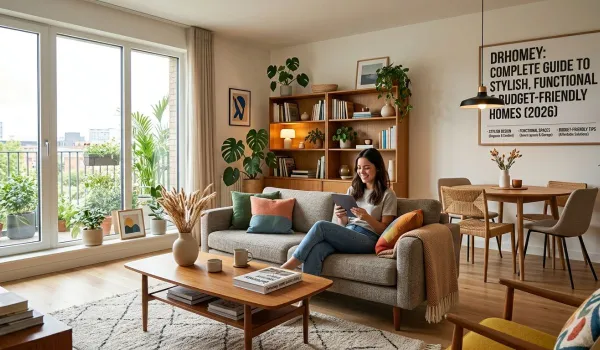
Interior design DrHomey is an approach to decorating and organizing living spaces that emphasizes comfort, practical layouts, thoughtful colors, natural lighting, and affordable home improvements. The goal is to create a home that looks attractive without sacrificing everyday functionality.
A successful interior does not depend on expensive furniture or a complete renovation. Better lighting, correctly sized furnishings, organized storage, and coordinated materials can transform how a room looks and feels.
This guide explains the DrHomey design concept, essential decorating principles, room-by-room ideas, realistic budget planning, and practical steps for improving your home in 2026.
What Is Interior Design DrHomey?
Interior design DrHomey refers to home decorating ideas associated with the DrHomey website and its emphasis on comfortable, stylish, and functional living spaces. It combines familiar interior design principles with accessible improvements that homeowners and renters can apply to their own rooms.
Rather than following one rigid aesthetic, the approach encourages balanced furniture arrangements, coordinated colors, attractive lighting, practical storage, and decoration that reflects individual lifestyles.
Understanding the DrHomey Approach to Interior Design
The DrHomey approach starts with how people actually use their homes.
A beautiful living room is not successful if its furniture blocks movement. Similarly, a stylish kitchen becomes frustrating when frequently used items are difficult to reach.
A practical design process considers:
- Functionality: Every room should support its primary activities.
- Comfort: Furniture, lighting, and materials should make daily life easier.
- Visual harmony: Colors, patterns, and decorative elements should work together.
- Affordability: Improvements should match the available budget.
- Personal style: A home should reflect its occupants rather than copy a showroom.
For example, a small living room may benefit more from a compact sofa, better lighting, and concealed storage than from expensive decorative furniture.
Is DrHomey an Interior Designer, Design Style, or Home Improvement Website?
DrHomey is primarily identifiable through its online home improvement and interior design content.
The website’s About Us page describes a resource offering design inspiration, furniture-layout guidance, color selection advice, and home improvement ideas.
Its published material also discusses design services. However, the information available on the website should not automatically be taken as independent verification of a licensed professional design practice.
DrHomey is best understood as an online source of home design ideas and associated styling concepts, rather than a formally established interior design movement.
Readers considering professional services should independently confirm qualifications, portfolios, business details, contracts, and previous project experience.
How DrHinteriorly Home Design Relates to DrHomey
DrHinteriorly is a name used in DrHomey content to describe an interior design approach combining modern comfort, personal expression, practical layouts, and durable materials.
According to the website’s DrHinteriorly interior design guide, its preferred features include warm color palettes, natural textures, functional furnishings, and layered lighting.
The website also describes consultation and renovation services under this name, although those claims require independent verification before being treated as established professional credentials.
For readers interested in the aesthetic, DrHinteriorly can serve as inspiration for warm, personalized interiors that prioritize usability.
What Makes DrHomey-Inspired Interiors Different?
The main distinction is the emphasis on practical improvements rather than a fixed decorative style.
A DrHomey-inspired room may feature modern furniture, Scandinavian influences, traditional wood finishes, or contemporary accessories. What matters is how those elements work together.
Common characteristics include:
- Neutral or coordinated wall colors
- Comfortable, appropriately sized furniture
- Layered lighting and usable daylight
- Natural materials and textured fabrics
- Uncluttered surfaces and organized storage
- Affordable decorative accents
- Personal artwork, plants, and meaningful objects
The result should feel welcoming and functional, not excessively styled or difficult to maintain.
Core Principles of Interior Design DrHomey
Good interior design depends on relationships between space, furniture, lighting, colors, and everyday activities.
Understanding a few basic principles can prevent expensive decorating mistakes.
Balancing Comfort, Functionality, and Visual Appeal
Start by identifying the room’s most important purpose.
A living room may need to accommodate television viewing, conversation, children’s activities, and occasional visitors. Furniture should support those activities before decorative accessories are introduced.
Choose comfortable seating, position frequently used objects within easy reach, and provide sufficient circulation space.
Visual appeal should develop around that functional arrangement.
A stylish chair that nobody enjoys sitting in is rarely a worthwhile investment.
The 60-30-10 Color Rule for Balanced Interiors
The 60-30-10 rule is a traditional decorating guideline for creating a coordinated color scheme.
It suggests distributing visible colors approximately as follows:
| Color proportion | Purpose | Living room example |
| 60% | Dominant background color | Warm white walls and large furnishings |
| 30% | Secondary supporting color | Beige sofa, curtains, and wooden furniture |
| 10% | Accent color | Olive cushions, artwork, and ceramics |
The percentages are approximate, not measurements that must be followed precisely.
For a warmer interior, combine cream walls with medium-toned wood and muted terracotta accents.
Rooms can also look excellent with two colors or several complementary shades. The purpose of the rule is balance, not restriction.
The 3-5-7 Rule for Arranging Decorative Accessories
Grouping decorative objects in odd numbers is a common styling technique.
Three objects of different heights, such as a vase, a small sculpture, and a candleholder, can create a balanced arrangement without appearing overly symmetrical.
Larger consoles or bookshelves may accommodate groups of five or seven items.
However, the rule is only a visual guideline.
A narrow bedside table may look better with two functional objects, while a large coffee table might need just one substantial centerpiece.
Always consider the surface area, scale, and practical use before adding accessories.
Understanding Scale, Proportion, Balance, and Visual Flow
Scale describes how large an item appears relative to its surroundings. Proportion concerns the relationship between different elements.
An oversized sectional sofa can overwhelm a small room. Conversely, a tiny coffee table may look disconnected from a large seating arrangement.
Visual balance also matters.
A heavy bookcase on one side of a room can be balanced with substantial artwork, a floor lamp, or another furniture piece on the opposite side.
The goal is not perfect symmetry. It is distributing visual weight so the room feels intentional.
Creating Focal Points Without Overdecorating
A focal point gives the eye somewhere to rest.
Common focal points include a fireplace, statement artwork, a feature wall, an attractive window, or a distinctive piece of furniture.
Choose one primary feature and arrange supporting elements around it.
For example, a large framed landscape photograph above a sofa can become the main visual feature of a living room.
Avoid competing statement pieces on every wall. Too many focal points make a space feel restless rather than sophisticated.
Mixing Natural Materials, Textures, and Wood Finishes
Natural textures add depth, especially in neutral interiors.
Combine materials such as oak, walnut, linen, cotton, wool, rattan, ceramic, and stone to create visual interest without introducing excessive color.
Different wood tones can work together when their undertones are compatible.
For instance, a medium oak dining table can complement darker walnut chairs if another element repeats one of those tones.
Avoid mixing numerous finishes randomly. Select a dominant wood tone and introduce one or two complementary finishes.
How to Plan Your Interior Design Before Spending Money
A good decorating plan reduces unnecessary purchases and helps prevent furniture, color, and layout mistakes.
Even a modest makeover benefits from measurements, priorities, and a realistic budget.
Identify Your Lifestyle, Room Functions, and Design Priorities
List what works and what does not work in the current room.
Ask practical questions:
- Is there enough seating for everyone?
- Does the room receive sufficient daylight?
- Are storage areas difficult to access?
- Do furniture pieces interrupt movement?
- Which surfaces require frequent cleaning?
- What activities must the room accommodate?
Separate essential improvements from optional decorative changes.
If poor lighting is the main problem, purchasing artwork first will not solve it.
Measure Your Space and Create a Simple Floor Plan
Measure the room’s length, width, ceiling height, doors, windows, and major architectural features.
Record the dimensions of existing furniture.
Create a basic floor plan on paper or with a digital room-planning tool.
Include door swings, electrical outlets, radiators, built-in cabinets, and areas that must remain accessible.
Before ordering furniture, confirm that it can pass through doorways, staircases, elevators, and narrow hallways.
A floor plan is particularly useful when deciding between a sectional sofa and separate seating.
Build a Mood Board and Choose a Consistent Design Direction
A mood board collects visual references for furniture, colors, materials, lighting, and decoration.
Start with five to ten inspirational images that share recognizable characteristics.
Look for repeated features, such as warm wood, textured fabrics, curved furniture, or simple wall treatments.
Then create a material palette.
For example:
- Walls: warm ivory
- Furniture: natural oak
- Upholstery: oatmeal linen
- Accent color: muted green
- Metal finish: brushed brass
This process helps prevent attractive individual purchases from creating an inconsistent room.
Plan Furniture Placement Around Movement and Daily Activities
Furniture should support movement rather than create obstacles.
Identify the main route between entrances, seating, storage, and windows.
Where space permits, aim for approximately 30–36 inches of clearance in frequently used walking areas.
For accessible layouts, wider circulation and turning space may be necessary. The U.S. Access Board specifies 36-inch continuous clear widths for many accessible routes, although those standards do not automatically govern every private residence.
Arrange seating to encourage conversation and ensure doors and drawers can open fully.
Create a Room-by-Room Shopping and Renovation Checklist
Organize purchases according to priority.
Essential improvements may include a suitable sofa, adequate lighting, window coverings, and useful storage.
Secondary improvements may include rugs, accent chairs, wall paint, and decorative shelves.
Finishing accessories may include cushions, vases, artwork, and plants.
Compare dimensions, materials, cleaning requirements, delivery charges, and return policies before purchasing.
For renovations, record contractor estimates, required approvals, and expected completion times separately from furnishing costs.
Choosing the Right Colors, Materials, and Finishes
Colors and materials influence how spacious, warm, bright, or formal a room appears.
The best combination depends on natural light, existing finishes, and the atmosphere you want to create.
Best Neutral and Warm Color Palettes for a DrHomey-Inspired Interior
Neutral colors offer flexibility because they complement many furniture styles.
Popular combinations include:
| Design atmosphere | Main colors | Suitable accents |
| Warm minimalist | Ivory, beige, oatmeal | Walnut, muted green |
| Modern contemporary | Greige, warm white, charcoal | Black, brushed brass |
| Earthy natural | Sand, clay, taupe | Olive, terracotta |
| Relaxed Scandinavian | Soft white, pale gray, light oak | Sage, dusty blue |
| Cozy traditional | Cream, chocolate brown, warm beige | Burgundy, antique brass |
Use undertones consistently.
Some grays appear blue or violet in certain lighting, while beige can shift toward yellow or pink.
Compare samples directly against existing floors and furniture rather than relying only on online photographs.
Choosing Paint Colors Based on Natural Light and Window Direction
Natural light changes the appearance of paint throughout the day.
In the Northern Hemisphere, north-facing rooms often receive cooler, more indirect light, while south-facing spaces generally receive more direct sunlight. The pattern differs in the Southern Hemisphere and also depends on shading and local conditions.
Warm whites, creamy neutrals, and muted earth tones can make cool-looking rooms feel more inviting.
In rooms with strong sunlight, slightly deeper colors may help create visual balance.
Paint several large sample areas and inspect them in the morning, afternoon, and evening.
Do not choose a permanent wall color based on one small paint chip under store lighting.
Combining Accent Colors Without Overwhelming a Room
Accent colors work best when repeated intentionally.
If you choose olive green, incorporate it through a cushion, artwork, and one ceramic accessory rather than spreading it across every surface.
Use stronger colors sparingly when the background palette is restrained.
A deep blue armchair can become a focal point against beige walls and warm wooden furniture.
For a more expressive interior, choose several coordinated colors with similar saturation.
Color repetition creates cohesion, but every item does not need to match exactly.
Selecting Durable Flooring, Upholstery, and Wall Finishes
Appearance matters, but durability determines how well a room performs over time.
Consider maintenance requirements before choosing materials.
- Porcelain tile: Suitable for many high-use areas and available in numerous finishes.
- Luxury vinyl flooring: Offers a range of wood and stone looks, with performance varying by product.
- Engineered wood: Provides a natural appearance but requires appropriate moisture control.
- Performance upholstery: Can offer enhanced stain resistance, depending on fabric construction and treatment.
- Washable paint: Useful in busy rooms, provided the chosen finish is suitable for repeated cleaning.
Request samples and review manufacturer specifications for wear resistance, installation conditions, cleaning, and warranties.
Using Wood, Stone, Linen, and Other Natural Textures
Texture prevents neutral interiors from appearing flat.
A linen sofa beside a smooth wooden table creates contrast. A woven rug can soften hard flooring, while stone or ceramic accessories introduce a different surface quality.
Natural materials also age differently.
Solid wood may develop marks or patina, while certain stones need sealing or special cleaning.
Choose materials according to household habits rather than appearance alone.
If maintaining natural marble is impractical, a durable porcelain or engineered alternative may better suit the room.
Choosing Between Matte, Satin, and Glossy Finishes
Paint sheen affects both appearance and maintenance.
Matte finishes create a soft appearance and can make minor surface irregularities less noticeable, although washability varies by formulation.
Eggshell and satin finishes provide some reflectivity and are common choices for rooms requiring regular cleaning.
Glossy finishes reflect more light and emphasize details, but they can also reveal surface imperfections.
Test actual products because finish names and performance differ between manufacturers.
For cabinets and trim, durability and cleaning requirements may matter more than matching the wall finish.
Lighting Design Ideas for a Warm and Expensive-Looking Home
Lighting can change the atmosphere of a room without replacing its furniture.
A strong lighting plan combines usable daylight, appropriately placed fixtures, and suitable brightness.
Maximizing Natural Light Through Curtains and Window Placement
Natural light makes interiors more visually open and reduces the need for artificial lighting during daylight hours.
Avoid placing tall cabinets directly in front of windows.
Use sheer curtains where privacy permits and heavier curtains or shades when glare and heat control are necessary.
Mounting curtain rods wider than the window opening can allow fabric panels to clear more of the glass when opened.
In hot climates, increasing direct sunlight is not always desirable. Solar-control shades and appropriate window treatments can improve comfort.
Layering Ambient, Task, and Accent Lighting
Professional-looking rooms rarely rely on one ceiling fixture.
Three lighting layers serve different purposes:
| Lighting layer | Purpose | Examples |
| Ambient | General illumination | Ceiling lights, recessed lighting |
| Task | Supports specific activities | Reading lamps, desk lamps, under-cabinet lights |
| Accent | Highlights decorative features | Picture lights, wall washers, display lighting |
A living room might combine a ceiling light, a reading lamp beside the sofa, and subtle lighting near artwork.
Control each layer separately when possible.
This makes the room more adaptable throughout the day.
Choosing Warm or Cool Lighting and the Right Color Temperature
Light appearance is commonly measured in Kelvin (K).
| Color temperature | Typical appearance | Common applications |
| 2200–2700K | Very warm, soft light | Bedrooms, decorative lamps |
| 2700–3000K | Warm white | Living rooms, dining rooms |
| 3000–3500K | Warm to neutral white | Kitchens, mixed-use spaces |
| 3500–4000K | Neutral to cooler white | Home offices, task lighting |
These are practical starting points, not mandatory standards.
Check brightness in lumens, color rendering, fixture compatibility, and glare as well as Kelvin.
The U.S. Department of Energy’s lighting guide explains the distinction between light output, energy consumption, and color temperature.
Using Mirrors to Reflect Light and Visually Expand Small Rooms
Mirrors can reflect windows, lamps, and attractive room features.
Position a mirror where its reflection contributes something useful.
For example, a large mirror perpendicular to a window may distribute daylight visually across a room.
A mirror opposite clutter or a poorly positioned light fixture can emphasize the wrong features.
Secure large mirrors with suitable mounting hardware, especially in homes with children.
Mirrors create an impression of depth but cannot replace adequate lighting or circulation space.
Creating Cozy Atmosphere with Lamps, Wall Sconces, and Dimmers
Table lamps and wall sconces introduce softer pools of light than a single bright overhead fixture.
Place lamps near activities, such as reading, rather than simply arranging them symmetrically.
Use dimmers to adjust brightness for different occasions, ensuring bulbs and controls are compatible.
In bedrooms, indirect lighting can reduce harsh glare before bedtime.
For a more cohesive appearance, use similar color temperatures among fixtures operating together.
Smart Furniture Selection and Space Planning
Furniture decisions should begin with dimensions, comfort, and durability.
A large purchase that does not fit the room can become an expensive and frustrating mistake.
Choosing Furniture That Balances Style, Comfort, and Function
Evaluate furniture based on how it will be used.
For sofas, consider seat depth, seat height, back support, fabric care, and construction quality.
For dining chairs, test whether the seat height works comfortably with the table.
For storage furniture, check shelf dimensions and drawer operation.
A visually attractive product is not necessarily suitable for daily use.
Try major furniture in person when practical, or review detailed specifications and return conditions when shopping online.
Getting Sofa, Coffee Table, and Rug Proportions Right
The relationship between furniture pieces matters more than following a single formula.
A common starting point is a coffee table approximately two-thirds the length of the sofa.
Allow roughly 14–18 inches between the sofa and coffee table where this provides comfortable access.
Choose a rug large enough to connect the main seating arrangement.
Ideally, at least the front legs of major seating pieces should rest on the rug, although smaller rooms may require another arrangement.
Before purchasing, mark the furniture and rug outlines on the floor with removable tape.
Creating Comfortable Walkways and Conversation Areas
Arrange seating to encourage interaction.
Two chairs facing a sofa may work better for conversation than placing every seat along the walls.
Leave enough clearance behind dining chairs so people can stand up and move comfortably.
Avoid placing occasional tables where they interrupt frequently used routes.
In rooms with multiple entrances, design the main walking path first.
Then position furniture around that path rather than forcing people to navigate between closely spaced objects.
Using Multifunctional Furniture and Hidden Storage
Multifunctional pieces are particularly useful in apartments and compact homes.
Examples include storage ottomans, extendable dining tables, nesting tables, and beds with drawers.
A wall-mounted desk may free floor space when not in use.
However, multifunctional furniture should still perform its primary purpose well.
A sofa bed may be useful for occasional visitors but uncomfortable as a regular sleeping arrangement.
Evaluate convenience, mechanisms, weight limits, and durability before purchasing.
Mixing Furniture Styles and Wood Tones for a Cohesive Look
Matching furniture sets are not essential for a coordinated room.
Combining modern seating with a vintage wooden cabinet can create character.
Look for shared design details, such as similar proportions, repeated finishes, or complementary colors.
If you combine several wood tones, repeat at least one in another area of the room.
A walnut side table, for example, may connect visually with walnut picture frames.
Avoid mixing different styles without a unifying element.
Interior Design DrHomey Ideas for Every Room
Each room has specific functional needs, but a consistent palette and thoughtful material choices can connect the entire home.
Living Room Design: Comfortable Seating, Lighting, and Statement Decor
A living room should support relaxation, conversation, and entertainment.
Begin with appropriately sized seating, then add practical surfaces for drinks, books, and everyday objects.
Position the sofa to take advantage of the room’s best feature without blocking windows or movement.
Use a large rug to visually define the seating area.
Add layered lighting, one meaningful focal point, and concealed storage for small items.
For a simple DrHomey-inspired look, combine an oatmeal sofa, natural oak table, warm-white lamps, textured cushions, and framed artwork.
Bedroom Design: Relaxing Colors, Layered Bedding, and Smart Storage
Bedrooms benefit from uncluttered layouts, comfortable bedding, and controllable lighting.
Choose a bed size that leaves sufficient access to wardrobes, drawers, and both sides of the mattress where needed.
Layer bedding with breathable sheets, an appropriate duvet, and a smaller number of decorative pillows.
Blackout curtains or lined blinds may improve sleeping conditions where exterior light is disruptive.
Use bedside lamps for reading and warm, dimmable lighting for evening activities.
Prioritize mattress comfort and suitable storage before purchasing decorative accessories.
Kitchen Design: Functional Layouts, Cabinets, and Countertop Styling
Kitchen design should support efficient food preparation, cooking, cleaning, and storage.
Keep frequently used utensils near their relevant work areas.
Store heavy cookware where it can be retrieved safely, and avoid using inaccessible cabinets for daily essentials.
Use under-cabinet lighting to illuminate work surfaces without excessive shadows.
If the existing cabinets are structurally sound, replacing hardware or refreshing compatible finishes may improve their appearance without a complete renovation.
Keep countertops sufficiently clear for food preparation.
Changes involving electrical wiring, gas, plumbing, or ventilation should be evaluated by qualified professionals.
Dining Room Design: Furniture Arrangement and Inviting Lighting
Choose a dining table based on the number of regular users rather than occasional maximum capacity.
An extendable table can offer flexibility where floor space is limited.
Allow clearance for chairs and circulation around the table.
Position a pendant or chandelier to illuminate the tabletop without obstructing views across it.
Add texture through upholstery, a washable rug where appropriate, or a simple centerpiece.
Dining spaces often feel more welcoming when lighting is warm and the table remains functional.
Bathroom Design: Spa-Inspired Details and Practical Organization
A calm bathroom does not require luxury fixtures.
Coordinated towels, organized toiletries, a well-positioned mirror, and flattering lighting can improve its appearance.
Choose moisture-resistant materials suited to wet areas.
Use closed storage for spare supplies and small items that create visual clutter.
Adequate ventilation is essential for controlling moisture. Decorative plants and scented products are not substitutes for an appropriate exhaust system.
For major upgrades, prioritize waterproofing, drainage, slip resistance, and safe electrical installation before visual finishes.
Home Office Design: Ergonomic Furniture and Productive Workspaces
A functional home office should support concentration and reduce unnecessary physical strain.
Position the monitor so the screen is comfortable to view without excessive neck movement.
Choose a supportive chair and adjust the desk setup to suit your body.
Place task lighting where it illuminates paperwork without creating screen reflections.
Storage should keep documents and equipment organized.
If possible, position the desk to benefit from daylight while controlling glare.
A neutral background, a small amount of greenery, and concealed cables can improve the visual appearance of the workspace.
Entryway and Hallway Design: First Impressions and Space-Saving Storage
Entryways handle everyday movement, shoes, bags, keys, and outdoor clothing.
A narrow console, wall hooks, or closed shoe cabinet can help organize these items.
Install a mirror where it is useful without obstructing the walkway.
Choose durable flooring and easily cleaned surfaces because entryways experience frequent use.
In a narrow hallway, avoid deep furniture.
Good lighting, restrained decoration, and consistent wall colors can make transitional spaces feel connected to the rest of the home.
Small-Space Interior Design DrHomey: Making Every Square Foot Count
Small rooms can be attractive and comfortable when their layouts prioritize movement, storage, and appropriately scaled furniture.
The goal is not to fill every corner.
Best Furniture Layouts for Small Apartments and Studio Homes
Start with essential furniture and determine which items can serve multiple purposes.
A compact sofa, movable side table, and storage cabinet may be more useful than a large sectional.
In studio apartments, place the bed and seating area so they remain visually distinct without blocking circulation.
Use rugs, lighting, and furniture orientation to establish different activity zones.
Avoid choosing miniature furniture automatically. One correctly sized sofa may look more balanced than several undersized chairs.
Using Vertical Storage, Floating Shelves, and Wall-Mounted Furniture
Walls offer storage opportunities without consuming as much floor area.
Floating shelves, wall-mounted cabinets, and tall bookcases can help organize small rooms.
Place frequently used items within comfortable reach.
Avoid overloading shelves or installing them without suitable fixings for the wall type.
Tall storage units should be secured against tipping.
A shallow wall-mounted cabinet may be particularly useful in a small hallway or bathroom.
Making Narrow Rooms Feel Wider and Low Ceilings Look Higher
Keep major walking paths open and avoid placing bulky furniture on both sides of a narrow room.
Use consistent flooring and coordinated wall colors to reduce abrupt visual divisions.
Curtains hung closer to the ceiling can visually emphasize room height.
Vertical artwork or tall, narrow furniture may also draw attention upward.
In rooms with low ceilings, avoid oversized pendant lights that reduce useful headroom.
The best approach combines visual techniques with genuinely comfortable furniture placement.
Creating Separate Living Zones in Open-Plan Spaces
Open-plan rooms often need different areas for dining, relaxing, and working.
Define each zone through furniture orientation, rugs, lighting, or storage.
For example, the back of a sofa can help separate a seating area from a dining space.
Choose coordinated materials so the zones feel connected.
Avoid placing tall room dividers where they block important daylight.
A practical open-plan layout should provide privacy where needed without sacrificing movement or visibility.
Small-Space Decorating Mistakes That Make Rooms Feel Crowded
Common mistakes include oversized furniture, insufficient storage, excessive accessories, and poorly positioned rugs.
Another problem is purchasing multiple storage units before eliminating unnecessary belongings.
Start by reducing clutter and measuring available space.
Choose fewer pieces with better proportions.
Keep frequently used surfaces clear and use wall storage carefully.
Do not sacrifice comfortable movement simply to add another piece of furniture.
How to Make Your Home Look Luxurious on a Budget
An expensive-looking interior often depends on proportion, finish quality, lighting, and thoughtful styling rather than expensive brand names.
Several low-cost improvements can create a more polished appearance.
Affordable Luxury Through Intentional Decluttering
Decluttering is one of the most accessible decorating improvements.
Remove unused items from countertops, tables, shelves, and visible storage.
Keep objects that are useful, meaningful, or visually complementary.
Organize small necessities inside drawers, baskets, or cabinets.
Leave some open space around decorative items so each one can be appreciated.
A tidy room is not automatically luxurious, but reduced visual clutter helps furnishings and architectural features stand out.
High-Impact Updates with Paint, Lighting, and Cabinet Hardware
Paint can create a noticeable change when surfaces are prepared correctly.
Choose a finish suitable for the room and test colors before committing.
Replacing dated cabinet handles can also update furniture or kitchen cabinets without replacing the entire unit.
Lighting improvements may offer another strong visual return.
Choose appropriate brightness, fixture scale, and color temperature.
Before changing electrical fixtures, confirm installation requirements and use a qualified electrician where necessary.
Decorating with Artwork, Rugs, Curtains, Mirrors, and Greenery
Decorative textiles and accessories can change a room’s appearance without altering its structure.
Large artwork often creates a stronger focal point than many unrelated small pieces.
A properly sized rug can connect furniture visually.
Curtains add softness and help control daylight.
Mirrors can reflect attractive features, while plants introduce natural shapes and colors.
Select accessories that complement the room’s palette and available space.
Mixing Affordable Decor with a Few Quality Investment Pieces
Choose where product quality matters most.
A frequently used sofa, supportive office chair, or durable dining table may justify a larger share of the budget.
Accessories such as cushion covers, vases, and picture frames are easier to replace.
Combining a durable primary furniture piece with reasonably priced decorations can create a balanced room.
Avoid assuming expensive products are always better. Examine materials, construction, warranty terms, and suitability for actual use.
Finding Stylish Secondhand Furniture and Vintage Accessories
Secondhand furniture can introduce distinctive shapes and materials at a lower purchase price.
Look for solid construction, stable joints, functional drawers, and manageable surface wear.
Inspect upholstered furniture carefully for odors, moisture damage, and possible pest problems.
Compare restoration costs before purchasing.
A solid wooden dresser that needs simple refinishing may be worthwhile, while one with significant structural damage may not be.
Vintage pieces often work best when paired with simpler modern furnishings.
Simple DIY Home Decor Projects for Beginners
Beginner-friendly projects include painting suitable furniture, replacing compatible hardware, arranging a gallery wall, or making removable cushion covers.
Choose improvements that match your skills and tools.
Follow manufacturer instructions, protect surrounding surfaces, and allow adequate drying or curing time.
Before disturbing old paint, investigate potential hazards. In the United States, the EPA recommends lead-safe practices for renovations involving pre-1978 housing.
Avoid treating electrical, gas, structural, or plumbing work as ordinary decorative DIY projects.
Interior Design DrHomey Budget Planning: Costs, Priorities, and Savings
A realistic budget separates decorating from renovation.
Replacing cushions and lamps is fundamentally different from moving walls, installing cabinetry, or changing plumbing.
How Much Does a Basic Room Makeover Cost?
A simple room refresh may involve paint, lighting, textiles, and accessories. A more extensive makeover may require furniture replacement or professional installation.
The following figures illustrate how someone could plan three different furnishing budgets in US dollars. They are sample allocations, not verified national market prices or guaranteed project estimates.
| Makeover scope | Example total budget | Possible priorities |
| Basic refresh | $300 | Cushion covers, small lamp, artwork, accessories |
| Moderate refresh | $1,000 | Rug, curtains, lighting, storage, and paint supplies |
| Furniture-focused refresh | $3,000 | Selected furniture replacements, lighting, rug, and styling |
Actual spending depends on local prices, existing furnishings, room size, materials, and labor.
Full renovations cost substantially more than simple decorating.
The 2026 U.S. Houzz & Home Study reports a median renovation expenditure of $20,000 among surveyed homeowners for 2025 projects. That figure covers renovation activity broadly and should not be mistaken for the cost of decorating one room.
Comparing Low-Budget, Mid-Range, and Premium Design Upgrades
Budget levels should reflect the project’s actual scope.
Low-budget improvements generally focus on keeping existing furniture and updating accessories, lighting, organization, and surface finishes.
Mid-range improvements may include replacing selected furniture, purchasing better-quality textiles, and carrying out limited professional decorating.
Premium improvements can include custom cabinetry, bespoke furniture, significant remodeling, and specialist installation.
Compare the expected benefits of each upgrade.
A well-planned moderate refresh may be more useful than an expensive renovation that does not address the room’s functional problems.
Where to Spend More and Where to Save on Home Furnishings
Prioritize products that receive frequent use or are expensive to replace.
Good investment candidates include:
- Primary seating
- Mattresses and bed foundations
- Durable dining furniture
- Ergonomic work furniture
- Essential lighting
- High-use flooring
Potential saving opportunities include decorative cushions, simple mirrors, interchangeable artwork, and small accessories.
Do not compromise on safety-related installations or essential waterproofing to fund decorative upgrades.
DIY Decorating vs. Hiring an Interior Designer
DIY decorating works well for manageable projects involving furniture arrangement, color selection, organization, and simple accessories.
Professional help becomes valuable when a project involves complex layouts, custom furnishings, renovations, or coordination between contractors.
Before hiring, clarify:
- Design scope and deliverables
- Consultation or design fees
- Purchasing arrangements and markups
- Revision allowances
- Timeline and payment schedule
- Contractor responsibilities
- Required credentials and insurance
An interior decorator, interior designer, architect, and general contractor may have different roles and qualifications depending on local regulations.
Choose professional assistance based on the work involved rather than the job title alone.
Avoiding Hidden Costs, Impulse Purchases, and Budget Overruns
A purchase price rarely represents the complete project cost.
Allow for delivery, installation, materials, taxes, disposal, repairs, and possible returns.
For construction projects, budget for permits and unexpected conditions when relevant.
Houzz’s 2026 study found that 37% of surveyed renovating homeowners exceeded their original budgets in 2025. This reinforces the importance of planning for changes and unexpected expenses.
A practical method is to establish a firm spending limit, prepare a detailed purchase list, and retain a contingency amount appropriate to the project’s uncertainty.
Renter-Friendly and Family-Friendly Interior Design Solutions
Home design must respond to practical restrictions, especially in rental properties and households with children or pets.
Attractive interiors should also be maintainable and safe.
Decorating Rental Homes Without Permanent Changes
Renters can improve a room without making major structural changes.
Start with furniture arrangement, lighting, rugs, textiles, artwork, and freestanding storage.
Use floor lamps when permanent electrical alterations are restricted.
Choose furniture that can move into a future home.
Review the rental agreement before drilling walls, repainting, replacing hardware, or installing fixtures.
Obtain written permission for changes where necessary.
Removable Wallpaper, Temporary Fixtures, and Reversible Upgrades
Removable wallpaper and adhesive accessories can be useful in rentals.
However, products described as removable can still damage certain paints, finishes, or surfaces.
Test them in an inconspicuous area first.
Temporary lighting solutions, tension-mounted curtains where appropriate, and portable storage can offer flexibility.
Check product weight limits and installation requirements.
Avoid using adhesive accessories for heavy or fragile objects where failure could cause injury.
Choosing Easy-Clean Fabrics and Durable Furniture for Families
Family-friendly interiors benefit from practical materials and uncomplicated maintenance.
Look for washable cushion covers, stain-resistant upholstery, and furniture with accessible surfaces.
Avoid highly delicate finishes on frequently used tables.
Choose rugs based on cleanability, construction, and slip resistance.
Rounded furniture edges may reduce everyday bumps, particularly in active households.
Select storage that children can use safely without climbing or reaching into unstable furniture.
Designing Child-Friendly Spaces with Safer Furniture Placement
Furniture stability is an essential design consideration.
Secure bookcases, dressers, and other potentially unstable pieces to suitable wall structures.
Keep heavier objects on lower shelves and avoid placing climbable furniture near hazardous windows.
Use appropriate window-covering safety products and manage electrical cords.
The U.S. Consumer Product Safety Commission’s Anchor It campaign recommends securing furniture and televisions to help prevent tip-over injuries.
Safety should take priority over creating a perfectly symmetrical furniture arrangement.
Pet-Friendly Materials, Houseplants, and Practical Storage
Pet-friendly design requires durable finishes and safe access to everyday supplies.
Choose upholstery that can be cleaned effectively and flooring that offers suitable traction.
Keep electrical cords, fragile decorations, and household chemicals out of reach.
Houseplant safety is especially important.
Some popular plants, including peace lilies and pothos, can be harmful to pets.
Check individual species using the ASPCA’s toxic and non-toxic plant database before bringing new greenery home.
Sustainable and Smart Interior Design Ideas for Modern Homes
Sustainable interior design aims to reduce unnecessary consumption and improve the long-term usability of living spaces.
Smart technology can support those goals when it serves a clear practical purpose.
Choosing Long-Lasting Furniture and Responsibly Sourced Materials
Furniture longevity is an important consideration.
Before replacing an existing item, assess whether it can be repaired, refinished, or reupholstered.
When buying new furniture, examine construction quality, replacement-part availability, and material sourcing.
Look for credible product certifications where relevant, but check what each certification actually covers.
A durable product that can be repaired may offer better long-term value than inexpensive furniture that needs frequent replacement.
Improving Comfort with Natural Ventilation and Daylight
Natural light contributes to a pleasant indoor environment and can reduce daytime lighting needs.
Ventilation helps manage indoor moisture and pollutants, although the appropriate strategy depends on outdoor conditions and the building’s design.
Use operable windows where practical and safe.
Bathrooms and kitchens may require dedicated exhaust ventilation regardless of window availability.
In hot or humid climates, uncontrolled ventilation can increase cooling loads or indoor humidity.
Consider climate, insulation, shading, and mechanical systems together.
Energy-Efficient LED Lighting and Smart Home Controls
LED bulbs are an accessible energy-efficiency improvement.
According to the U.S. Department of Energy, LEDs can use up to 90% less energy and last up to 25 times longer than incandescent bulbs.
Smart controls can improve convenience through schedules, occupancy sensing, and adjustable brightness.
However, automation is most useful when it solves a real problem.
Choose compatible devices, maintain secure software settings, and retain convenient manual controls.
Adding Indoor Plants and Biophilic Design Elements
Biophilic design introduces natural characteristics into interior spaces.
Plants, wood, stone, daylight, and views of greenery can create a stronger visual connection with nature.
Use plants that suit the available light and maintenance routine.
Avoid crowding windowsills or placing heavy pots on unstable shelves.
Plants should not be promoted as a replacement for ventilation or effective air filtration.
The US EPA notes that a reasonable number of houseplants has not been shown to remove significant quantities of indoor pollutants in real homes.
Reducing Waste Through Furniture Restoration and Reuse
Restoration can extend the life of furniture that remains structurally sound.
Simple improvements may include replacing hardware, repairing drawer slides, or refinishing a suitable wooden surface.
Consider donating usable furniture rather than discarding it.
Choose versatile pieces that can serve different rooms as household needs change.
For significant restoration work, assess material safety, tools, labor, and finishing requirements before deciding that repair is the more economical option.
Interior Design Trends That Complement the DrHomey Look in 2026
Interior design trends in 2026 emphasize personality, texture, material quality, and spaces that feel comfortable rather than excessively staged.
Architectural Digest India’s 2026 design trends report highlights natural materials, expressive combinations, vintage influences, and collected-over-time interiors.
These ideas can be adapted without abandoning practical design principles.
Warm Minimalism and Cozy Contemporary Interiors
Warm minimalism combines restrained decoration with inviting materials.
Instead of stark white surfaces and severe furniture shapes, it favors creamy neutrals, natural timber, soft textiles, and comfortable seating.
The approach works well in rooms where relaxation and visual simplicity are priorities.
However, minimalism is only one option. More expressive interiors are also prominent in 2026.
Choose simplicity because it suits your lifestyle, not because a trend requires it.
Earthy Colors, Organic Shapes, and Natural Materials
Earthy tones such as clay, olive, taupe, chocolate brown, and terracotta add warmth.
Organic shapes appear in curved sofas, rounded tables, sculptural ceramics, and irregular accessories.
Natural textures make these palettes more interesting.
A muted green wall paired with oak furniture and a woven rug can create depth without excessive decoration.
Test strong colors in the actual room before painting large areas.
Modern Scandinavian and Japandi-Inspired Design
Scandinavian interiors often emphasize daylight, simplicity, practical furniture, and comfortable materials.
Japandi-inspired design combines selected Japanese and Scandinavian influences, frequently using natural textures, restrained decoration, and calm compositions.
Both can complement DrHomey-inspired decorating.
Choose functional furniture, limit unnecessary accessories, and use materials with visible texture.
Avoid treating these styles as identical or reducing their cultural design traditions to a single neutral color palette.
Textured Walls, Layered Fabrics, and Statement Lighting
Textured finishes are one way to add depth without introducing numerous decorative objects.
Options include suitable textured paint systems, wall paneling, wallpaper, and decorative plaster.
Layered curtains, rugs, and upholstery contribute softness.
Statement lighting can also act as a focal point.
Before choosing an elaborate fixture, confirm its scale, mounting requirements, cleaning needs, and suitability for the room’s ceiling height.
Balancing Current Interior Trends with Timeless Design
Trends are most useful when applied selectively.
Keep expensive and difficult-to-change elements relatively adaptable unless you have a strong personal preference.
Introduce seasonal colors through cushions, artwork, or smaller furnishings.
Invest in long-lasting materials and comfortable furniture.
A home with a mix of modern and older pieces can feel more personal than one decorated entirely from a single trend.
The strongest interiors reflect consistent preferences developed over time.
Real-World Interior Design Examples and Makeover Plans
The following are illustrative makeover scenarios, not documented DrHomey projects or verified customer transformations.
They demonstrate how common design principles can be applied to realistic household problems.
Small Living Room Makeover: Layout, Lighting, and Storage Improvements
Consider a 12-by-14-foot living room with a large sofa, limited storage, and one central ceiling light.
The room feels crowded because furniture blocks the main walking path.
Suggested makeover:
- Measure the available space and reposition the sofa.
- Remove an unnecessary accent chair.
- Replace bulky occasional furniture with narrower alternatives if needed.
- Add a storage cabinet or ottoman.
- Introduce a reading lamp and better ambient lighting.
- Use a suitably sized rug to connect the seating arrangement.
The intended result is easier circulation, more practical storage, and a visually coordinated room.
The plan should be tested against actual door and furniture dimensions before purchases.
Budget Bedroom Refresh: Paint, Bedding, and Furniture Styling
Imagine a bedroom with functional furniture but mismatched bedding, poor lighting, and crowded bedside tables.
A complete furniture replacement is unnecessary.
Instead, choose a cohesive color palette and retain the major furniture.
Replace worn bedding, improve bedside lighting, and remove unnecessary decorative items.
A new curtain treatment may also help control daylight.
If painting is permitted and appropriate, a warm neutral wall color can connect the existing furnishings.
This approach focuses spending on visible and functional improvements rather than replacing usable products.
Outdated Kitchen Update: Low-Cost Improvements Without Renovation
An older kitchen may have usable cabinets and appliances but dated finishes.
Begin by thoroughly cleaning and assessing existing surfaces.
If appropriate, update cabinet hardware, improve task lighting, and organize countertop storage.
A compatible repainting system may refresh suitable cabinet surfaces, although proper preparation is essential.
Avoid covering damaged materials or painting over problems that require repair.
If the layout works well and essential systems are sound, cosmetic changes may provide enough improvement without a major renovation.
Before-and-After Planning: What to Measure and Compare
Before changing a room, document its existing condition.
Take photographs from fixed viewpoints and record practical measurements.
Compare:
- Available walking space
- Storage capacity
- Furniture dimensions
- Lighting placement and usability
- Work-surface accessibility
- Total project expenditure
- Maintenance requirements
After completing the makeover, photograph the same viewpoints.
Evaluate whether the design improved everyday use, rather than judging success only from photographs.
Creating Your Own Design Plan Using Photos and a Shopping Checklist
Photograph each wall and identify features that must remain.
Create a simple floor plan and note existing furniture dimensions.
Prepare a list separating essential purchases from optional accessories.
Record the following for each proposed item:
| Item | Measurement required | Practical check |
| Sofa | Width, depth, height | Seating comfort and delivery access |
| Rug | Length and width | Coverage and furniture positioning |
| Curtains | Drop and panel width | Light control and mounting |
| Storage unit | Width, depth, height | Capacity, stability, and drawer clearance |
| Lamp | Height and footprint | Light output, glare, and socket access |
This prevents shopping based solely on attractive product photography.
Common Interior Design DrHomey Mistakes and How to Avoid Them
Many decorating problems arise from poor planning rather than insufficient spending.
Recognizing common mistakes early can prevent unnecessary purchases.
Choosing Furniture That Is Too Large or Too Small
Furniture size should respond to the dimensions of the room and nearby pieces.
An oversized sofa may restrict circulation, while a very small rug can make the seating area feel disconnected.
Measure before ordering.
Use floor tape or paper templates to test dimensions.
Check that doors, storage units, and seating can operate comfortably once the furniture is installed.
Relying on a Single Light Source
One overhead light may illuminate a room but often fails to support multiple activities comfortably.
Add task lighting where people read, cook, work, or prepare for the day.
Use accent lighting only where it provides a genuine decorative benefit.
Consider glare, shadows, and brightness.
Separate lighting controls allow a room to adapt to different needs.
Using Too Many Colors, Patterns, and Decorative Accessories
Too many unrelated decorative elements can create visual confusion.
Choose a consistent palette and repeat selected materials.
If the sofa has a strong pattern, balance it with simpler curtains or rugs.
Leave negative space around decorative objects.
You do not need to eliminate personality. The goal is to give individual elements enough visual space to be appreciated.
Ignoring Storage, Functionality, and Everyday Maintenance
A room may look attractive in photographs but perform poorly in everyday life.
Open shelves require regular cleaning, delicate fabrics may stain easily, and insufficient storage can quickly produce clutter.
Consider daily habits before choosing finishes.
Include practical storage for frequently used items.
Select materials according to cleaning requirements, household activities, and expected wear.
Buying Decor Before Finalizing the Room Layout
Accessories should support the main furniture arrangement.
Purchasing rugs, mirrors, and artwork before deciding on furniture placement can lead to incorrect sizes and unnecessary returns.
Finalize major furniture positions first.
Then choose lighting and textiles.
Buy smaller decorative items after the primary design is established.
Following Trends Instead of Designing Around Personal Needs
Trendy interiors are not automatically comfortable or practical.
A fashionable pale sofa may be unsuitable for some households, while an oversized statement chair may consume valuable floor space.
Use trends as inspiration rather than instructions.
Evaluate the room’s function, maintenance needs, and long-term appeal.
A personalized interior often remains satisfying longer than one designed solely to imitate a current online aesthetic.
Step-by-Step Guide to Starting Your First DrHomey-Inspired Makeover
A structured process makes decorating easier and helps keep spending under control.
Complete one stage before moving to the next.
Step 1: Evaluate Your Current Room and Identify Problems
Inspect the room during different parts of the day.
Record issues involving lighting, storage, furniture placement, comfort, and maintenance.
Take photographs and measurements.
Identify features worth keeping.
Do not assume everything needs replacing.
Step 2: Set a Realistic Budget and Design Goal
Decide what successful improvement means.
It might involve creating more storage, improving the seating arrangement, or making a bedroom calmer.
Assign a maximum budget.
Separate essential expenditure from optional decoration.
Reserve additional funds for unforeseen costs if the project includes repair or installation work.
Step 3: Select Your Color Palette, Materials, and Mood Board
Choose the overall design direction.
Collect reference images and identify recurring colors, furniture shapes, and materials.
Test paint and fabric samples in the actual room.
Compare new finishes with existing flooring and furniture.
Limit the number of unrelated materials to maintain cohesion.
Step 4: Plan Furniture Placement, Storage, and Lighting
Finalize the layout before purchasing major items.
Check furniture dimensions, movement paths, and storage access.
Decide where task lighting is required.
Confirm the location of power outlets and any installation restrictions.
Address safety and accessibility needs during this stage, not after decoration is complete.
Step 5: Make Affordable Improvements and Style Your Space
Complete necessary repairs and surface preparation first.
Then arrange major furniture and install suitable lighting.
Add rugs, curtains, and essential storage.
Introduce artwork and smaller accessories gradually.
Avoid purchasing every decorative item at once.
Living with the arrangement for a few days can reveal what is genuinely missing.
Step 6: Review Comfort, Functionality, and the Finished Look
Use the room normally before declaring the project complete.
Check whether seating is comfortable, storage works properly, and circulation remains clear.
Evaluate lighting at night as well as during the day.
Identify any remaining problems.
Make small adjustments before purchasing additional furniture or starting another renovation.
Frequently Asked Questions About Interior Design DrHomey
What Is Interior Design DrHomey and How Does It Work?
Interior design DrHomey refers to practical home decorating ideas associated with DrHomey content. It emphasizes furniture arrangement, color coordination, lighting, organization, and affordable upgrades. Homeowners can apply these principles by assessing their space, establishing a budget, creating a layout, and making improvements that support their everyday needs.
Is DrHomey Free to Use for Interior Design Ideas?
DrHomey publishes publicly accessible interior design articles and home improvement guidance. Reading available articles generally does not require purchasing a design package. However, access to particular services, consultations, or future premium offerings should be checked directly with the relevant provider.
Is DrHomey the Same as DrHinteriorly Interior Design?
DrHinteriorly is a name used in content published on DrHomey.com to describe a related home design concept. The website associates it with modern comfort, personal style, functional layouts, and durable materials. Its presence on DrHomey does not independently establish it as a separate licensed design business.
Can Beginners Follow DrHomey Interior Design Tips?
Yes. Beginners can apply familiar decorating principles without formal design training. Start with room measurements, furniture positioning, basic color coordination, lighting improvements, and decluttering. More complicated work involving structural modifications, plumbing, or electrical systems should be handled by appropriately qualified professionals.
What Is the Best Interior Design Style for a Small Home?
No single style works best for every small home. Warm minimalism, Scandinavian-inspired design, and simple contemporary interiors are often practical starting points because they can emphasize useful furniture, uncluttered arrangements, and coordinated materials. However, efficient space planning matters more than choosing a particular aesthetic label.
How Can I Make My Home Look Expensive Without Spending Much?
Focus on correct furniture proportions, effective lighting, coordinated textiles, and reduced clutter. Repaint suitable surfaces, replace dated hardware, and use appropriately sized rugs and curtains. Choose a few meaningful accessories instead of filling every surface. Careful styling can improve the appearance of existing furniture without requiring expensive replacements.
What Colors Make a Small Room Look Bigger and Brighter?
Warm whites, soft beiges, pale grays, and muted neutral colors can make small rooms feel visually open, particularly when daylight and lighting are appropriate. Using similar colors across walls and larger furniture may create continuity. Dark colors can also work well in small spaces when deliberately balanced with adequate lighting and contrasting materials.
What Are the Most Important Rules of Interior Design?
The most useful principles include balance, proportion, scale, rhythm, emphasis, harmony, and functionality. Practical decorating guidelines such as the 60-30-10 color rule can help beginners, but they are not mandatory. Comfortable movement, suitable furniture dimensions, and appropriate lighting should generally take priority over decorative formulas.
Can DrHomey Design Ideas Work in Rental Apartments?
Yes. Renters can improve their interiors through furniture arrangement, freestanding lighting, removable textiles, rugs, and portable storage. Reversible decorating solutions are particularly useful. Review the lease and obtain permission before painting, drilling, changing fixtures, or making permanent alterations.
Do I Need a Professional Interior Designer to Redecorate My Home?
Not necessarily. Simple decorating projects can often be managed independently. Professional assistance becomes more valuable when planning substantial renovations, complex furniture layouts, custom cabinetry, or building-system changes. Compare project scope, qualifications, services, fees, and contractual responsibilities before hiring.
Which Home Improvements Make the Biggest Visual Difference?
The greatest visual difference often comes from correcting a room’s most noticeable weakness. This may involve repainting walls, improving lighting, replacing damaged window coverings, choosing a properly sized rug, or rearranging furniture. The most effective improvement depends on the room’s existing condition, rather than a universal ranking of decorating upgrades.
Final Thoughts: Creating a Beautiful, Comfortable, and Functional Home with DrHomey
Interior design DrHomey brings together practical decorating ideas that can be adapted to different homes, preferences, and budgets.
The most effective approach is to plan the layout first, improve lighting and storage, choose coordinated materials, and invest in furnishings that support daily use.
Expensive purchases are not necessary for every improvement. Keeping functional furniture, introducing better lighting, correcting proportions, and reducing clutter can make a meaningful difference.
A successful home should look appealing, feel comfortable, remain easy to maintain, and accommodate the people who live there. Those priorities are more valuable than following any single decorating trend.

Reece Fisher is a Home Expert and Writer at Caption Disk, covering all aspects of home improvement, interior design, home decor, DIY projects, gardening, and home maintenance. He shares practical tips, helpful ideas, and valuable insights to help readers improve their homes and living spaces.